For a first electronics order from China, the standard structure is 30% deposit by telegraphic transfer (T/T) and 70% against a copy of the bill of lading, with the balance released only after a passed pre-shipment inspection. Letters of credit fit orders above $50,000; platform escrow fits small trial orders placed through Alibaba.
The 30/70 split: what each part pays for
The most common arrangement in China trade is a telegraphic transfer split into a 30% deposit paid against the proforma invoice and a 70% balance paid before or around shipment. The deposit is not a random number: it typically covers the supplier's raw material purchase for your order, and raw materials form the majority of product cost on a finished electronic device.
T/T is the dominant method because it is fast and cheap — a wire takes 1 to 3 days and costs $15 to $40 in bank fees. No bank infrastructure beyond a SWIFT-capable account is needed on either side. That is also its weakness: once money is wired, no bank stands between you and the factory.
The balance trigger matters more than the percentage
The percentage split gets most of the attention, but the trigger for the balance payment matters more. Three wordings show up in practice, and they carry very different risk.
"Balance before shipment" is the supplier's preferred wording: you pay the remaining 70% once goods are finished, before the container leaves the factory. "Balance against copy of bill of lading" is the middle position: the supplier books the shipment, the goods are loaded, the carrier issues a bill of lading, and you pay when the supplier sends you a copy. "Balance after passed inspection" is the buyer's preferred wording: the balance becomes due only after an inspection confirms the goods meet the agreed specification.
The deposit gives the factory commitment; the unpaid majority gives you leverage — but only while it is still unpaid. Once the final 70% is wired, your leverage is a memory. Write the trigger into your purchase order in plain words: "Balance T/T released upon successful pre-shipment inspection."
Letter of credit: when the bank becomes the escrow
A letter of credit replaces trust in the counterparty with trust in banks. Your bank issues a document promising to pay the factory's bank when specific conditions are met — documents proving shipment, inspection, and so on. Neither side touches the money; it moves bank to bank against documentary evidence.
A sight L/C pays the factory on presentation of complying documents; a usance L/C pays after a set period such as 60 days. Bank fees run 0.5% to 2% of the letter value, plus weeks of setup — and documents must match to the comma or the bank may refuse payment.
That cost floor is why an L/C is the wrong tool for small orders. The practical threshold most trading professionals use is about $50,000: below it, use T/T with an inspection-linked balance. Above it, and especially for six-figure first orders, a sight L/C with a required third-party inspection certificate among the presentation documents is worth the friction.
Between L/C and open account sit two documentary methods: D/P (documents against payment), which gives moderate protection through the banks, and D/A (documents against acceptance), which is effectively credit and should be avoided with new suppliers. Open account terms of 30 to 90 days belong to relationships with history, usually with export credit insurance such as Sinosure behind them, not to first orders.
Escrow and Trade Assurance: the right tool for small jobs
Escrow services hold the buyer's payment until delivery and inspection conditions are met. Alibaba Trade Assurance is the version most buyers meet first: you pay Alibaba, Alibaba releases the money to the factory after delivery confirmation, and Alibaba handles disputes, at a cost built into the price of about 1% to 2%. Trade Assurance fits a trial order of a few thousand dollars placed through the marketplace. Its limits appear at scale: coverage caps, claim windows of about 30 days, and protection only as precise as the specification on the order. Third-party escrow works the same way at 1% to 3%. PayPal is instant and reversible for 180 days at 3.5% to 4.5% — fine for a $50 sample, not for a production order.
Payment methods compared
| Method | Buyer risk | Cost | Best for |
|---|---|---|---|
| T/T 100% upfront | Highest | $15–40 wire fee | Sample orders only |
| T/T 30/70 before shipment | High | $15–40 wire fee | First orders under $5,000 |
| T/T 30/70 against copy of B/L | Medium | $15–40 wire fee | $5,000–$100,000 orders |
| Alibaba Trade Assurance | Low | About 1–2% built into price | Alibaba orders under $20,000 |
| Letter of Credit (sight) | Low | 0.5–2% of order value | Orders above $50,000 |
| Third-party escrow | Low | 1–3% | Niche deals, no marketplace |
| PayPal | Low for buyer | 3.5–4.5% | Samples only |
Red flags in payment terms
Four patterns should stop the order. First, 100% payment upfront on a first order with a new supplier — no structure, no leverage, no reason to agree. Second, payment to a personal bank account instead of the company account on the business license. Third, bank details that change mid-order: confirm any change by a live call or video, never by email alone. Fourth, a supplier who quotes Trade Assurance and then asks you to pay by bank transfer instead — the protection you were quoted no longer exists.
A real example: the ET580
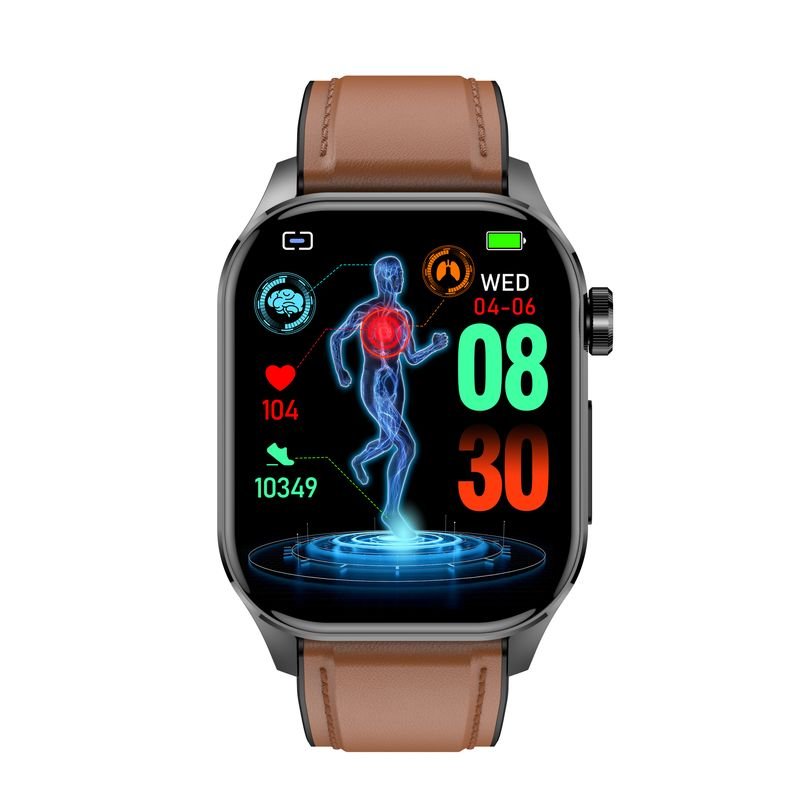
Payment terms are easier to picture on a real product. The ET580 smartwatch carries a 2.04-inch AMOLED display (368×448), a 380mAh battery with 3–5 days of use and 20+ days of standby, IP68 water resistance, Bluetooth 5.2 BLE, magnetic charging in about 3–4 hours, and the H Band app, on a JL7013A chip.
On a $10,000 example order, the 30% deposit is $3,000 to start production, and the $7,000 balance is released against a copy of the bill of lading after a passed inspection. A sight L/C on the same order would cost $50 to $200 at 0.5% to 2% — which is why the wire-plus-inspection structure wins at this size.
See our Smartwatch Sourcing Guide, our supplier verification guide, and our MOQ guide. Browse the full range on our products page and smartwatches page.
Frequently Asked Questions
Is 30% deposit / 70% before shipment safe for a first order?
It is the industry default, but the safer version pays the 70% balance against a copy of the bill of lading, after a passed pre-shipment inspection. Never pay 100% upfront to a new supplier.
When is a letter of credit worth the cost?
Above about $50,000, and especially for six-figure first orders. Below that, fees of 0.5% to 2% plus weeks of paperwork cost more than the protection is worth.
Does Trade Assurance protect an order paid by bank transfer?
No. Trade Assurance only covers orders placed through Alibaba's own messaging and payment system. Pay by WhatsApp, WeChat, or bank transfer and the protection is gone, even if the supplier quoted Trade Assurance in the first message.