For most consumer electronics orders, AQL inspection means General Inspection Level II under ISO 2859-1, with zero critical defects, AQL 2.5 for major defects and AQL 4.0 for minor defects. A 2,000-unit order draws a 125-unit sample: it passes with up to 7 major defects and fails at 8. Set the numbers before production, in writing, on the purchase order.
What AQL actually measures
AQL stands for Acceptance Quality Limit. An inspector draws a random sample from a finished order, counts the defects, and accepts or rejects the whole lot from the count. The sample sizes and the accept and reject numbers come from ISO 2859-1; its US equivalent, ANSI/ASQ Z1.4, uses the same code letters and sample sizes.
Buyers often read AQL 2.5 as "2.5% of my order can be broken." It is a rejection threshold, not a target: the worst average defect rate you are willing to accept. A passed lot can still hold defective units.
AQL sampling judges a finished lot; it cannot fix a bad design or a drifting line. Fewer defects come from work done before production — a clear spec sheet, an approved sample, and a defect list the factory has seen.
The three settings you must choose
Inspection level. This sets how large the sample is relative to the lot. General Level II is the default for consumer electronics. Level I draws a smaller sample and costs less — use it for low-risk repeat orders. Level III draws a larger sample and costs more — use it for a new factory or a first mass run.
Defect classes. Every fault is sorted into critical, major, or minor before the inspection starts. A critical defect is unsafe — a battery that overheats, exposed wiring. A major defect breaks the product’s main function — a dead display, a button that does not respond, the wrong colour. A minor defect is cosmetic — a light scratch, a label a few millimetres off line. The inspector applies your list, not their own judgement.
AQL per class. Each class gets its own limit. The common setting for consumer electronics is 0 for critical, 2.5 for major and 4.0 for minor defects. Premium brands sometimes tighten major to 1.5 and minor to 2.5.
Sample sizes and accept/reject numbers
Find your lot size, take the sample size, and count defects in that sample only. At or below the accept number (Ac), the class passes; at the reject number (Re), the lot fails.
| Lot size (units) | Sample size (Level II) | Major, AQL 2.5 (Ac / Re) | Minor, AQL 4.0 (Ac / Re) |
|---|---|---|---|
| 151–280 | 32 | 2 / 3 | 3 / 4 |
| 281–500 | 50 | 3 / 4 | 5 / 6 |
| 501–1,200 | 80 | 5 / 6 | 7 / 8 |
| 1,201–3,200 | 125 | 7 / 8 | 10 / 11 |
| 3,201–10,000 | 200 | 10 / 11 | 14 / 15 |
Take 5,000 projectors. Under Level II, the lot calls for a 200-unit sample: up to 10 major defects pass, 11 fail; up to 14 minor pass, 15 fail; one critical defect fails it outright.
A lot of 9–25 units draws a sample of 3–5 units, which tells you almost nothing. For small orders, ask for a 100% function test on every unit instead.
Classify defects before production, not after
The arguments that cost buyers money are never about the table. They are about whether a fault counts as major or minor. A supplier who calls a dead pixel "minor" and a buyer who calls it "major" will argue after the goods are made.
Write the list with the product in mind. For a projector, one QC house classes dead pixels, uneven brightness and colour shift as major defects, and allows brightness within 10% of the approved sample. Our guide to testing projector samples shows how to set those pass marks. For a smartwatch, a dead display is major; a faint scratch on the strap is minor.
Also agree what happens to a failed lot before it fails: rework and re-inspection, a 100% sort, or rejection and a remake — and who pays for the second inspection.
When to tighten the numbers
Use Level III and tighter AQLs when the risk justifies the cost: a first order with a new supplier, a product with a battery, or a gift SKU where one bad unit reaches a corporate client. Use Level I only for a repeat order of a proven product from a supplier whose last three lots passed clean. Never loosen the numbers to save an inspection fee — a rejected container costs weeks.
A passed inspection is not a warranty, only a snapshot of the sampled units on the day of the check. Keep the report, the photos, and the sample unit.
Featured model: the HY320 Mini
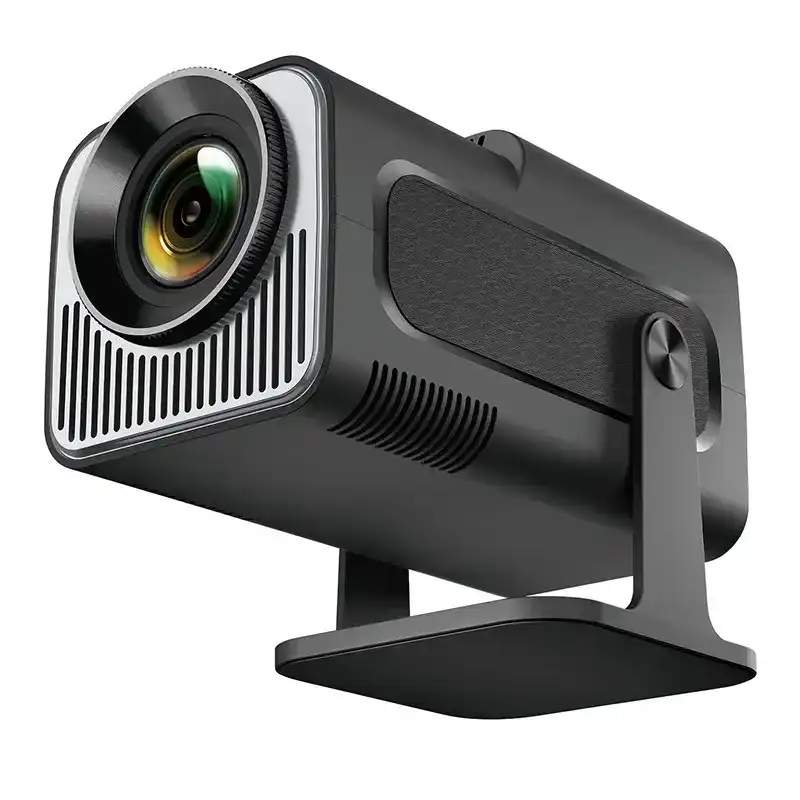
The HY320 Mini portable smart projector states 200 ANSI lumens on a native 1280×720 panel, with a 2000:1 contrast ratio and automatic keystone correction. It runs Android with Wi-Fi 6 and Bluetooth 5.0 and draws 40W. For this model, a dead pixel on the picture, a port that does not connect, or a speaker that stays silent are major defects under a Level II inspection; a light mark on the casing is minor. See our projectors page for the range, and our projector brightness guide for the number to test.
Frequently Asked Questions
What AQL should I use for consumer electronics?
Start with General Inspection Level II and AQL 0 for critical, 2.5 for major and 4.0 for minor defects. Tighten major to 1.5 and minor to 2.5 for a first order with a new supplier, a premium SKU, or any product where one bad unit reaches a corporate buyer. Put the level and the three AQL values on the purchase order, with the written defect list for your product, before you pay the deposit.
Does a passed AQL inspection mean my order has no defects?
No. AQL is a sampling plan, not a full check. A 5,000-unit lot inspected at Level II draws a 200-unit sample, and a pass with 8 major defects means 8 of the 200 sampled units were faulty. The unsampled 4,800 units were never opened. AQL accepts that some defective units may reach you. If your market cannot take any defective units, ask for a 100% function test on the fault that matters, or tighten the AQL and the level.
What do I do if my lot fails AQL inspection?
Stop the shipment first, then read the report before you negotiate. A failure driven by minor defects is often a sorting job: remove the faulty units, re-pack, and re-inspect the lot. A failure driven by major defects usually means rework or a remake, and you should ask for the root cause in writing. Either way, the second inspection should follow the same table and the same defect list. Agree before production who pays for the re-inspection and what happens if the lot fails twice.